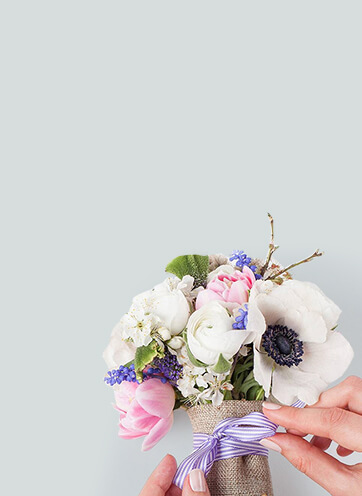
DIY office bouquets for Bexleyheath shops and offices
Posted on 04/10/2026
Fresh flowers can do more than brighten a desk. In a shop, they soften the feel of the counter and make the space look cared for. In an office, they can quietly lift the room without shouting for attention. That is why DIY office bouquets for Bexleyheath shops and offices have become such a practical little win: they are affordable, flexible, and surprisingly effective when you get the basics right.
If you have ever looked at a reception desk in the morning and thought, "this space needs something, but not too much," you are in the right place. This guide walks through what DIY bouquets actually mean in a workplace setting, how to build them, what to avoid, and when it makes sense to keep things simple and let a florist do the heavy lifting. It is written for real businesses in Bexleyheath, where presentation matters, budgets are real, and nobody wants a display that collapses halfway through the week. Let's make it useful.
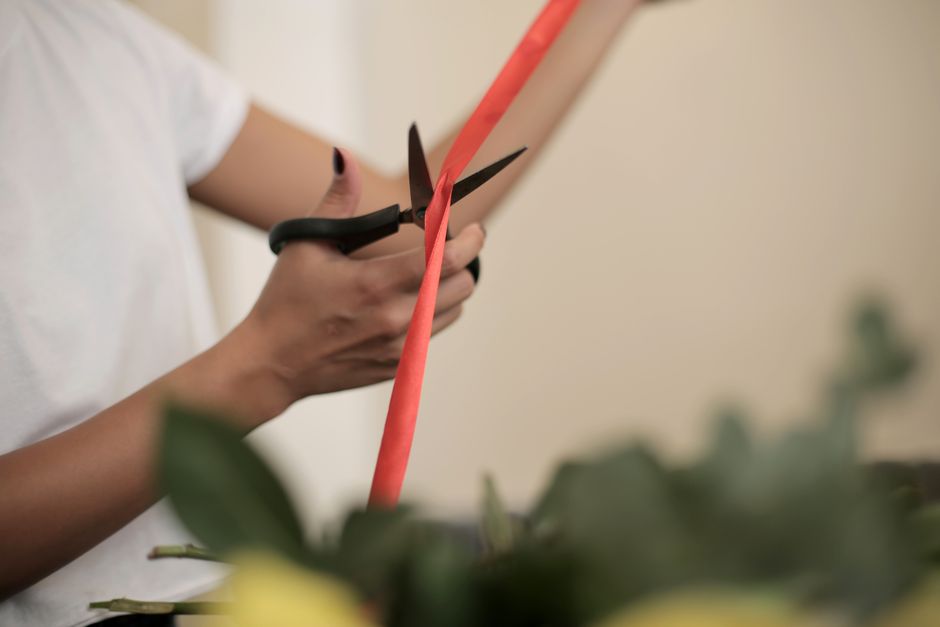
Why DIY office bouquets for Bexleyheath shops and offices Matters
A well-made bouquet changes the mood of a room almost instantly. In a Bexleyheath shop, it can make a window display feel more welcoming, which matters when passers-by are deciding whether to step inside. In an office, it can take the edge off a plain reception or meeting room and make the space feel calmer, more polished, and a bit less corporate. Not fancy. Just better.
There is also a local angle. Bexleyheath has a mix of independent retailers, service businesses, professional offices, and small teams that need to make every square metre work hard. A bouquet on a desk or counter does a lot of work for very little space. That is useful if you are juggling footfall, client impressions, and the usual daily clutter of papers, laptops, card readers, and the odd coffee cup that has sat there too long.
DIY bouquets also matter because they let you control the feel of the space. Bright and cheerful for a salon? Neutral and understated for an accountancy office? Seasonal and colourful for a gift shop? You can tune the look to match the brand rather than forcing a one-size-fits-all arrangement. And to be fair, that makes a difference people notice even if they cannot quite explain why.
There is a practical side too. Florists are brilliant for finished arrangements, but sometimes businesses want something they can refresh themselves. Maybe you have staff who enjoy styling. Maybe you need a display that can be updated weekly. Maybe you just want to keep a small budget under control. DIY bouquets give you that flexibility, provided you work with the right flowers and a clear plan.
Key takeaway: the best DIY office bouquets are not the most elaborate ones. They are the ones that look tidy on day one, stay presentable through the week, and suit the space they sit in.
How DIY office bouquets for Bexleyheath shops and offices Works
At its simplest, the process is straightforward: choose flowers that suit your space, prepare them properly, arrange them in a balanced way, and place them where they can be seen without getting in the way. The trick is in the details. Office flowers need to survive busy hands, warm rooms, air vents, reception traffic, and sometimes a total lack of natural light. Shops have their own issues too, such as hot window displays, door draughts, and people leaning in for a better look.
Think of a DIY bouquet as a small workplace system rather than a one-off decoration. You are not only picking flowers. You are also choosing vase height, stem strength, colour temperature, scent level, and how often the arrangement will need topping up. Once you start thinking that way, the whole thing gets easier.
A good workflow usually looks like this:
- Decide where the bouquet will live.
- Pick a colour palette that matches the room.
- Choose flowers that last well indoors.
- Condition the stems before arranging.
- Create the bouquet with a stable shape.
- Place it in the right vessel and position.
- Maintain it lightly through the week.
You do not need a florist studio. A clean pair of snips, a bucket, a vase, fresh water, and a few sensible flower choices will get you a long way. Honestly, the biggest upgrade is usually not more flowers. It is better preparation.
Key Benefits and Practical Advantages
DIY bouquets are popular for a reason. They solve several small business problems at once.
1. They help spaces feel welcoming
People respond to signs of care. Fresh flowers on a reception desk or retail counter create an immediate sense that the business is attentive and well kept. That soft signal can matter during the first ten seconds of a visit. You know the feeling. A room can be technically tidy but still feel flat; flowers fix that quickly.
2. They can be more budget-friendly
When you arrange flowers yourself, you can choose stems based on cost and durability rather than always buying premium ready-made designs. That said, budget-friendly should not mean cheap-looking. A simple bouquet with strong structure often looks better than an overloaded arrangement with mixed quality blooms. If you want a lower-cost starting point, browse practical options like budget flowers or even cheap flowers in Bexleyheath when you are testing a new display idea.
3. They give you control over branding
Colours, height, scent, and fullness all affect the feel of a bouquet. A sleek office might prefer whites and greens. A busy beauty salon may want soft pinks or mixed seasonal tones. A shop with a playful brand might use brighter colours and looser shapes. In other words, you get to design the flower message, not just the flowers themselves.
4. They are easy to refresh
DIY arrangements can be rotated more often. That keeps the space from going stale and makes it easier to reflect the season. A spring arrangement in March, something richer and warmer in autumn, and a lighter style in summer all feel natural. Small switch, big payoff.
5. They work for short and long displays
If you only need flowers for a weekend promotion, you can keep the design simple. If you need an ongoing front-of-house arrangement, you can build something a little sturdier and more neutral. The same basic method adapts well, which is why it suits both shops and offices.
Who This Is For and When It Makes Sense
DIY office bouquets are a good fit for a few very specific kinds of businesses.
- Independent shops that want their counters or window displays to feel warmer.
- Offices and agencies that host clients and want reception to look polished without being showy.
- Clinics, salons, and treatment rooms where a calm, tidy display helps soften the atmosphere.
- Small hospitality spaces such as cafes or boutique venues that need quick visual lift.
- Teams with a staff member who enjoys styling and can manage upkeep once or twice a week.
It makes sense when the display needs to be:
- reasonably low-cost,
- visually attractive but not demanding,
- easy to move or replace,
- aligned with a brand palette,
- kept fresh without a full-service floral subscription.
It makes less sense when the bouquet needs to be perfect every single day, or when no one has time to trim stems, change water, and remove fading flowers. Let's face it, if the arrangement is meant to impress VIP visitors and sit in a hot lobby, a professional service is often the calmer choice. If you want a ready-made route instead, options such as corporate gifting or even a carefully chosen florist choice arrangement can save time.
Step-by-Step Guidance
Here is a straightforward way to build a workplace bouquet that looks polished rather than homemade in the messy sense.
Step 1: Choose the purpose of the bouquet
Before you buy anything, decide what the bouquet is meant to do. Is it for a reception desk, a meeting room, a checkout counter, or a customer waiting area? A bouquet for a counter should be compact and tidy. A bouquet for a sideboard can be more relaxed. Purpose first, flowers second. That keeps the whole thing grounded.
Step 2: Pick a colour scheme
Choose two or three colours at most. That makes the arrangement feel intentional. White and green gives a clean, modern look. Pink and cream feels softer. Yellow and mixed spring tones can lift a room that needs energy. If you need a safe and versatile feel, mixed colours can work well, especially in open-plan spaces where there is already a lot going on visually.
Step 3: Select flowers that behave well indoors
Work with flowers that hold up reasonably well in office or shop conditions. Some stems are naturally more durable than others. For a reliable mix, think about roses, chrysanthemums, carnations, alstroemeria, lilies, and germini. You can also use seasonal stems if the room is not too warm. If you want ideas, the site's range includes practical categories like chrysanthemums, alstroemeria, carnations, and lilies.
Step 4: Condition the stems properly
Conditioning means trimming the stems, removing lower leaves, and putting flowers into clean water as soon as possible. This part is not glamorous, but it matters. A bouquet that has been properly conditioned can look fresher for longer and smell better too. You will notice the difference by the second day, sometimes sooner.
Step 5: Build the bouquet in layers
Start with greenery or structural stems if you have them. Then add your main flowers. Fill gaps with smaller blooms or lighter stems. Keep checking the shape from the front and sides. A bouquet should feel balanced, not stuffed. There is a temptation to add one more stem, then another, then another. Resist that urge. The bouquet is not a suitcase.
Step 6: Place it in the right vase
The vase should match the bouquet size and the location. A heavy vase helps stop tipping on reception desks. A narrower vase can keep stems upright in busy areas. Glass looks clean and modern, ceramic feels warmer, and opaque vessels hide water lines more easily. If the bouquet is going to sit near customers, practicality matters just as much as style.
Step 7: Maintain it lightly but regularly
Top up the water, remove fading heads, and trim stems every few days if needed. Keep the display away from strong sunlight, heaters, and fruit bowls. That last one catches people out more than you would think. On a warm afternoon, the bouquet can suddenly look tired for no obvious reason.
Expert Tips for Better Results
Small choices make the difference between a bouquet that looks "nice enough" and one that genuinely elevates the room.
- Use odd numbers where possible. Three, five, or seven main stems often look more natural than pairs.
- Keep scent in mind. Strong fragrance can be lovely in a shop but distracting in a small office.
- Match the display to the room size. A huge bouquet on a tiny counter feels cramped, not luxurious.
- Choose one focal flower. This creates a visual anchor and stops the arrangement from feeling muddled.
- Think about sightlines. People should be able to talk over the bouquet, not around it.
- Use seasonal structure. Autumn flowers can feel richer and more grounded; summer stems can be airier and brighter.
A useful rule of thumb: if you have to explain the bouquet, it may already be too complicated. The strongest workplace arrangements tend to look effortless. Funny how that works.
If you want something with a more premium finish but still office-friendly, consider looking at luxury flowers or a neat vase-ready option such as flowers in a vase. Those can be helpful when time is short and presentation still has to feel sharp.
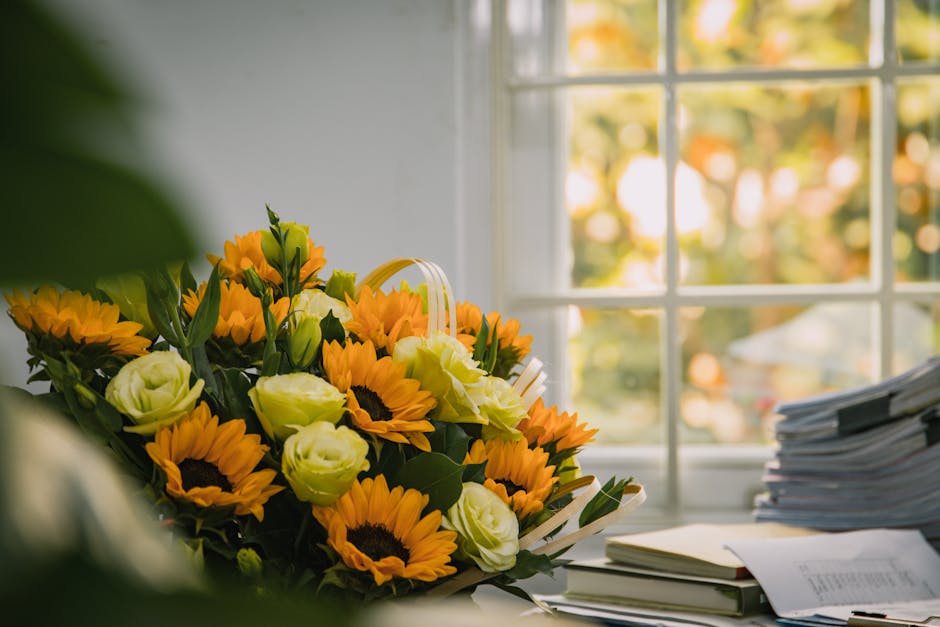
Common Mistakes to Avoid
Most DIY bouquet problems are surprisingly predictable.
- Using too many colours. A busy palette can look untidy fast.
- Choosing flowers that wilt quickly in warm rooms. Beautiful on day one, disappointing by day three.
- Ignoring the container. A weak vase or awkward bowl can ruin the look, even with good flowers.
- Placing bouquets in traffic-heavy spots. A counter near the till or printer needs sturdier stems than a quiet side table.
- Forgetting water changes. This is the classic one. It sounds obvious until a Wednesday morning arrives and the bouquet is looking a bit sorry for itself.
- Overfilling the vase. Too many stems create crowding and reduce airflow between flowers.
One more thing: do not assume "bigger" means "better." In many Bexleyheath offices, a smaller bouquet with clean lines looks more professional than a dramatic arrangement that takes up half the desk. Less can absolutely be more.
Tools, Resources and Recommendations
You do not need a full florist kit, but a few tools make the job much easier.
- Sharp flower snips or secateurs for clean cuts.
- A clean bucket for conditioning stems.
- Fresh, cool water for the vase.
- Flower food if provided, used according to the packet instructions.
- A stable vase or container that suits the setting.
- Soft cloth or paper towel for wiping stems and surfaces.
- Basic waste bag or caddy for trimming debris.
If your business prefers a more hands-off routine, it can help to use a dependable florist for core supplies and then keep the styling in-house. Pages like flower care and delivery can also be useful when you are planning how fresh stems will arrive and how long they are likely to hold up once placed.
For repeat ordering, some businesses also look at corporate accounts so they can keep office flowers more organised over time. That can be a sensible middle ground: part DIY, part managed supply. Clean, simple, no fuss.
Law, Compliance, Standards, or Best Practice
For most workplace flower displays, there is no special legal process involved. Even so, good practice matters. The main issues are practical and safety-related rather than complicated.
Think about slip risk. Water spills near entrances, tills, or shared walkways should be cleaned immediately. In busy spaces, a stable vase and a sensible position matter more than you might expect.
Keep exits and sightlines clear. A bouquet should not block visibility, signage, reception interactions, or access routes. That is especially important in smaller shops and compact offices where every bit of floor and counter space already works hard.
Watch for allergies and scent sensitivity. Some people are more sensitive to fragrance than others. If the office is small or shared, lighter scent choices are usually safer. This is common sense, really, but common sense often gets forgotten around pretty things.
Use hygienic handling. Clean vases, fresh water, and trimmed stems help reduce unpleasant smells and keep the arrangement presentable. If flowers start to decay, remove them quickly.
Be mindful of workplace policies. If you manage an office, check whether there are internal rules around plants, cleaning routines, fire safety, or desk clutter. Different organisations handle things differently, and it is better to know early than to be told later the bouquet has become a "trip hazard somehow."
For businesses that want reliability and clear service expectations, it is worth reviewing supplier information carefully, including pages such as guarantees, returns and refund, and terms and conditions. It is never glamorous reading, but it does help set the tone.
Options, Methods, or Comparison Table
There is more than one way to handle office flowers. The right approach depends on time, budget, and how important the display is to the business image.
| Method | Best for | Pros | Trade-offs |
|---|---|---|---|
| Fully DIY bouquet | Small teams, simple displays, budget control | Flexible, low-cost, easy to customise | Needs time, basic skills, and regular upkeep |
| DIY with florist-supplied flowers | Businesses wanting better stems but hands-on styling | Better quality flowers, still flexible | Requires some coordination and maintenance |
| Ready-made florist arrangement | Reception areas, client-facing spaces, busy teams | Fast, polished, less work for staff | Less day-to-day control, usually higher cost |
| Subscription or repeat delivery | Offices and shops needing a regular fresh look | Consistent, convenient, easier planning | Less spontaneous, may need scheduling |
For a lot of Bexleyheath businesses, the sweet spot is somewhere in the middle. Start with a simple design, and if the space benefits from regular refreshes, move toward a repeat delivery rhythm. If you need a broader range of flowers to choose from, pages like all flowers and best sellers can help narrow the field without overthinking it.
Case Study or Real-World Example
Here is a realistic example. A small Bexleyheath accounting office wanted its reception area to feel more welcoming during client meetings. The team did not need a large arrangement, just something that softened the room and made the front desk feel less bare. They chose a compact bouquet in whites and greens, added a few durable stems, and placed it in a weighted vase near the visitor seating area.
The first version was a bit too tall. It looked nice, but it blocked the line of sight between receptionist and visitor, which is not ideal. They trimmed the stems, removed two blooms, and brought the height down. Much better. The finished arrangement sat neatly on the side surface and gave the space a calmer, more polished feel. Nothing theatrical. Just right.
After a week, the team noticed the bouquet made the reception desk feel more "finished", which is a small thing but an important one. That is the quiet value of flowers in a workplace: they change perception without needing to be loud about it. And clients do notice. Sometimes subconsciously, but they notice.
For a retail example, a shop could use a brighter bouquet near the till or window, perhaps drawing from seasonal ranges such as summer flowers or autumn styles. That kind of small seasonal switch can refresh the whole front of shop for very little effort.
Practical Checklist
Use this quick checklist before you set out your office bouquet.
- Have I chosen the right spot for the bouquet?
- Does the size suit the surface?
- Do the colours match the room or brand?
- Are the flowers sturdy enough for the space?
- Has every stem been trimmed and conditioned?
- Is the vase stable and clean?
- Will the bouquet block sightlines or movement?
- Do I have a plan for topping up water?
- Are there any scent or allergy concerns?
- Can someone remove fading blooms during the week?
If you can answer yes to most of those, you are in good shape. If not, it is worth adjusting before the bouquet goes live. Better to spend ten extra minutes now than to have to rescue the whole thing on Thursday afternoon.
Conclusion
DIY office bouquets for Bexleyheath shops and offices are one of those small business improvements that looks simple from the outside but pays off in everyday ways. They can make a space warmer, tidier, more brand-aware, and more enjoyable to walk into. They also give you control, which matters when budgets, time, and appearance all need to line up at once.
The secret is not complicated. Keep the design clear, the stems well prepared, and the arrangement sized to the space. Use sturdy flowers. Avoid clutter. Refresh it before it goes tired. Do that, and even a modest bouquet can make a surprising difference.
If you are experimenting with workplace flowers for the first time, start small and build from there. The best results often come from the simplest setup done properly. That is the honest truth, and a rather nice one too.
Get a free quote today and see how much you can save.
Frequently Asked Questions
What are DIY office bouquets for Bexleyheath shops and offices?
They are flower arrangements created for workplace settings by the business itself rather than by a florist as a finished product. In practice, that means choosing stems, preparing them, and styling them to suit a shop counter, reception desk, meeting room, or waiting area.
Are DIY bouquets cheaper than buying ready-made office flowers?
Often, yes. DIY can reduce costs because you control the flower selection and the arrangement style. The savings depend on the flowers you choose, how often you refresh them, and whether you already have vases and tools. Cheap, though, should not be the goal on its own.
Which flowers work best for office bouquets?
Durable flowers like roses, carnations, chrysanthemums, alstroemeria, lilies, and germini are common choices because they usually hold up well indoors. The best mix depends on room temperature, light, and how much maintenance the arrangement will receive.
How often should an office bouquet be changed?
That depends on the flower types and the room conditions, but many businesses refresh arrangements weekly or as soon as flowers begin to fade. In warmer spaces or busy shops, you may need to tidy the bouquet more often.
Can DIY bouquets work in small offices?
Absolutely. In smaller spaces, a compact bouquet can be better than a large one because it adds warmth without crowding the desk or reception area. Small arrangements often look smarter in tight spaces anyway.
What colour flowers look most professional in an office?
White, green, blush, soft pink, and muted mixed tones are often seen as safe, professional choices. That said, the right colour depends on the brand and the atmosphere you want to create. A creative studio may want something bolder.
How do I stop office flowers from smelling too strong?
Choose lightly scented blooms, avoid overloading the bouquet with fragrant flowers, and keep the arrangement in a ventilated area away from heat. If the room is small or shared, less fragrance is usually better.
What is the easiest DIY bouquet style for beginners?
A simple rounded bouquet with one focal flower, two supporting flower types, and a bit of greenery is usually the easiest place to start. It is neat, manageable, and less likely to look messy.
Do shop bouquets need different flowers from office bouquets?
Sometimes, yes. Shop bouquets often need to be more visible and sometimes more colourful, while office bouquets may need to be subtler and more compact. The setting matters just as much as the flowers.
Is it worth using a florist for the flowers and doing the arranging myself?
For many businesses, yes. That approach can give you better flowers without losing the flexibility of styling them yourself. It is a useful middle ground if you want more control than a ready-made arrangement offers.
What should I avoid placing a bouquet near?
Avoid heat sources, direct sunlight, fruit bowls, busy doorways, and anywhere the vase might get knocked. In an office or shop, the safest placement is usually stable, visible, and out of the main flow of movement.
Can I use DIY bouquets for client-facing meetings or events?
Yes, as long as the bouquet is neat, appropriately sized, and well maintained. For more formal meetings, a restrained design usually works best. If the occasion is high-stakes, a professionally finished arrangement may be the safer option.